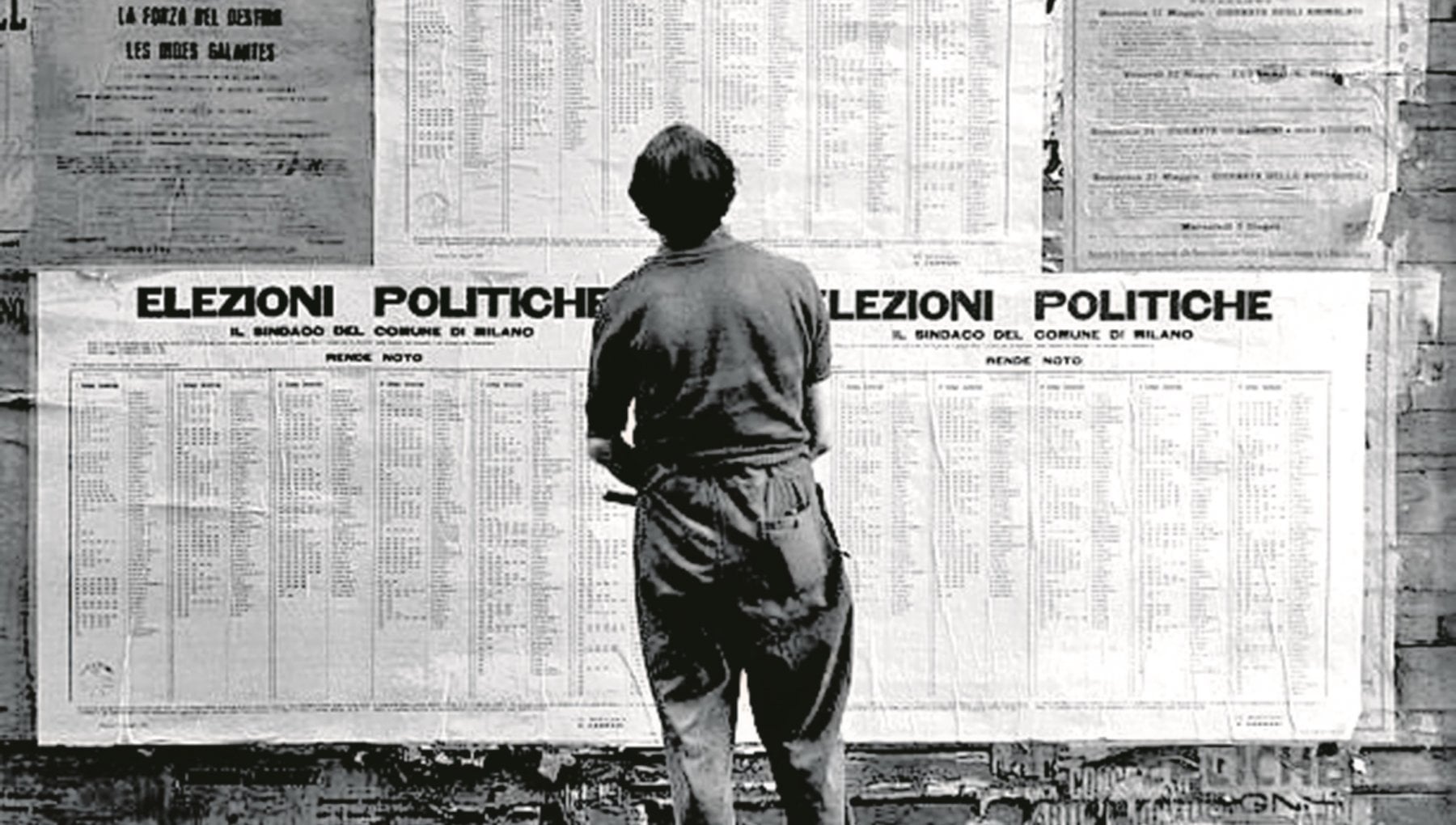
How does unequal representation affect policymaking? Existing research shows that overrepresented districts exert disproportionate influence over public policy, yet our understanding of the underlying sources of this advantage remains limited. I argue that increased representation can independently bias policymaking via two channels: a mechanical effect, whereby additional representatives increase a district’s likelihood of shaping the legislative agenda, and a behavioral effect, whereby legislators intensify constituency-oriented effort due to intra-district competition. To test this, I leverage the quasi-experimental setting created by the electoral rule of the Italian Senate (1994–2006), which allowed districts with similar population sizes to elect either one or two senators. Using a regression discontinuity design and comprehensive data on bill (co-)sponsorship, I find evidence consistent with both channels. Examining policy outcomes, I do not find that unequal representation yields distributive benefits, but I do find suggestive evidence of a broader legislative advantage.
2.Who Pays for the Church? Religious Clientelism and Broker Compensation in Postwar Italy.(with Roberto Valli).American Journal of Political Science(Conditionally Accepted)
In many contexts, religious leaders mobilize support for allied politicians. These mobilization efforts are often assumed to be part of brokerage agreements in which politicians provide material compensation once elected. Despite how common these arrangements are, little is known about how and when politicians compensate religious leaders for their electoral brokerage. We argue that politicians reward organization-embedded religious brokers by providing status-enhancing goods that increase their standing within the organization and the local community. We illustrate this type of compensation by investigating exchanges between Christian Democratic politicians and personally connected Catholic bishops in postwar Italy. Difference-in-differences estimates indicate that elected politicians reward connected bishops with investments in church renovations, that these investments are targeted to increase the prestige of bishops, and that electoral incentives shape patterns of broker compensation. These findings shed light on the reciprocal exchanges that underpin politician-clergy alliances in electoral democracies.
Working Papers
1.Religious Leaders and Distributive Politics in Southern Italy.
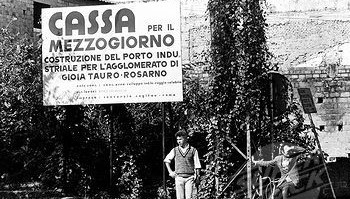
How do unelected local leaders shape distributive politics? Religious authorities and other local leaders are often deeply embedded in the communities that receive public investment, yet many have no formal role in allocating or delivering state resources. I argue that such leaders can nonetheless shape distribution by increasing electoral returns to public investment. I test this argument using data on public works from a large-scale development program in postwar Southern Italy, exploiting variation in the election of Christian Democratic (DC) politicians and the local embeddedness of Catholic bishops. Difference-in-differences estimates show that DC politicians allocate more public works where bishops are locally embedded. These investments translate into higher DC vote shares specifically where bishops are local, with no evidence that bishops lobby for community- or Church-aligned projects or are rewarded for prior electoral support. These findings shed new light on the relationship between political intermediation and distributive politics.
Work in Progress
1.Majority Preferences and Minority Cultural Transmission: Evidence from Switzerland’s Face-Covering Vote.(with Fanny Puljic and Roberto Valli)
2.Shifting Partisan Attachments: The Impact of Electoral Defeat on Voter Preferences.(with Roberto Valli)
Previous research on party preferences has assumed that individual partisanship is unaffected by electoral outcomes, focusing instead on its pre-electoral dynamics. Our research note challenges this assumption by demonstrating that electoral outcomes can cause significant partisan shifts among voters. We argue that electoral losers are more likely to distance themselves from unsuccessful parties, while winners remain safely attached to the bandwagon. To demonstrate this, we first use household panel surveys from four European countries to establish that voters who supported declining parties are more likely to change party support in favor of gaining parties. Second, we show that individual-level partisan changes aggregate to meaningful public opinion shifts at the national level. To this purpose, we leverage monthly opinion polls for political parties across 17 European democracies and find that declining parties lose support among the electorate. Our results highlight a new dimension of post-electoral politics with implications for empirical research.